SoftVolt AI
Case studies

Builds you can open, not logos you have to trust.

White-label means partner work is never shown without written permission — and when it is, it carries your name. What we can show are builds our founder delivered as developer, project manager and team lead at a UK agency.

How to read these

Eight builds, four ways in.

Every one is live, public and linked — open them before you read a word we wrote.

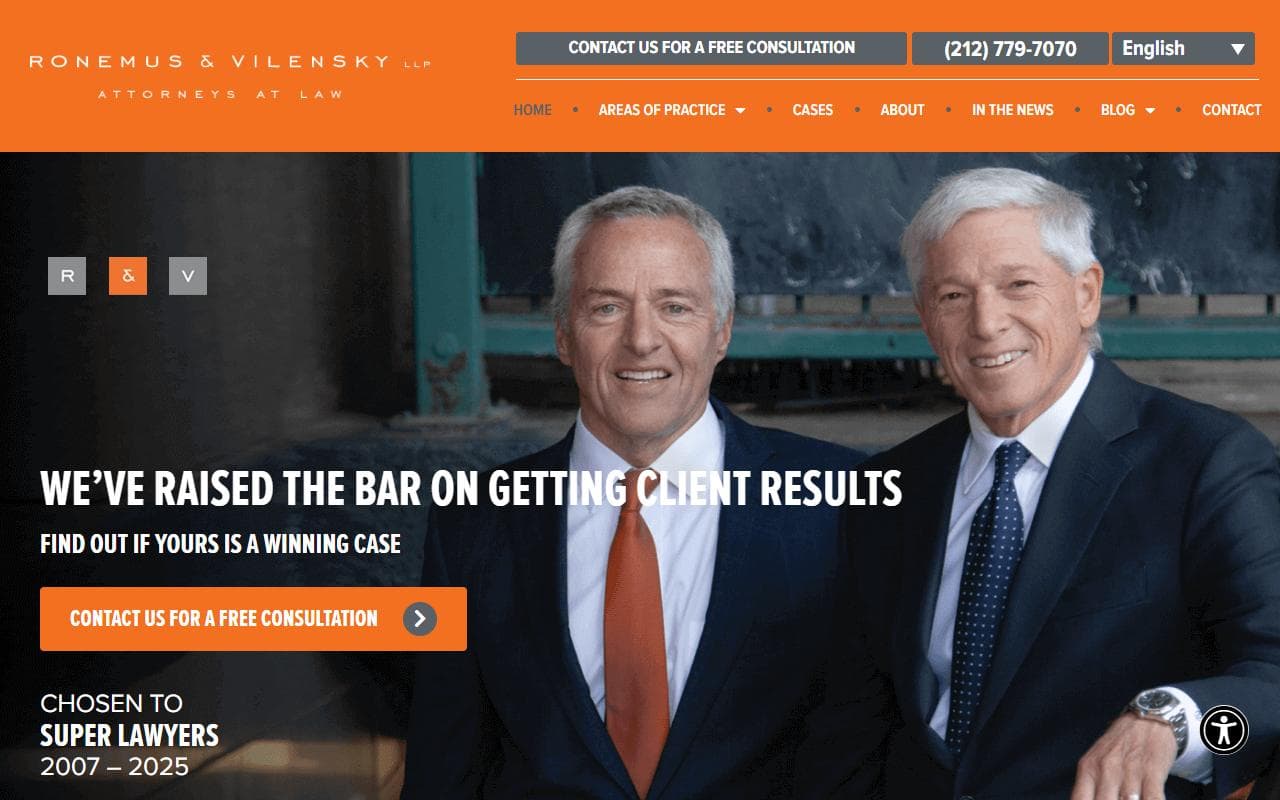
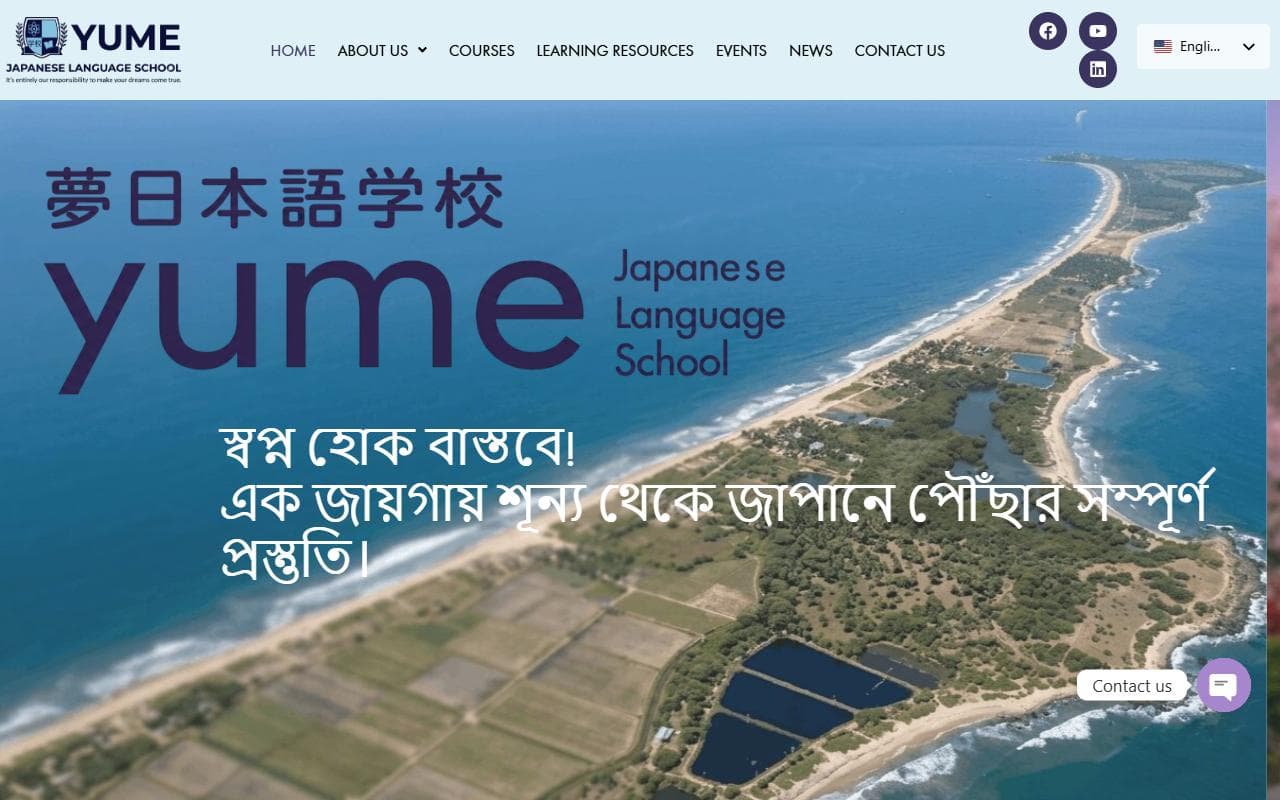
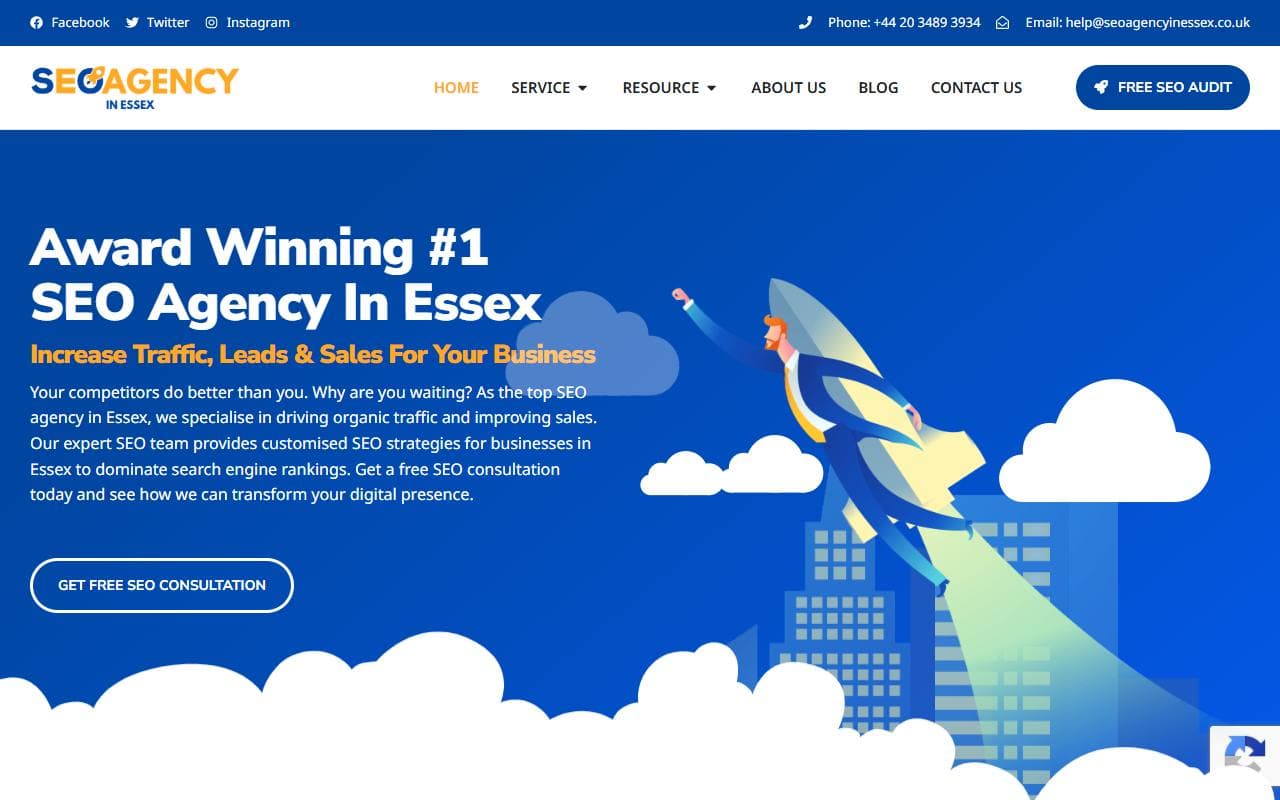
Most agency portfolios are a wall of logos. This page is the opposite: 8 finished websites, each with the brief it answered, the stack it was built on and a link to the running site. They were delivered for clients in United Kingdom, Bangladesh, United States — WooCommerce stores, headless WordPress front ends on Next.js, and corporate sites where the forms have to work every day.

Read them the way that matches your brief. Start with the spotlight, browse by the kind of work, check the market and the stack, or filter the full set at the bottom. Whichever way you come in, the facts are the same ones — nothing on this page is an outcome we cannot show you.

Delivered, not pitched
Each build shipped and is still live. The links go to the real site, not a screenshot.
Named honestly
These are our founder's builds at a UK agency, said plainly on every card.
Your name on the next one
Partner work only appears with written permission — and under your agency's brand.
Same team, same hours
The people who built these are the ones who take your brief, on UK and US hours.
Spotlight

Start with the one that shows the most.

One build in full: what the brief needed, what was actually made, and the link to open it yourself.

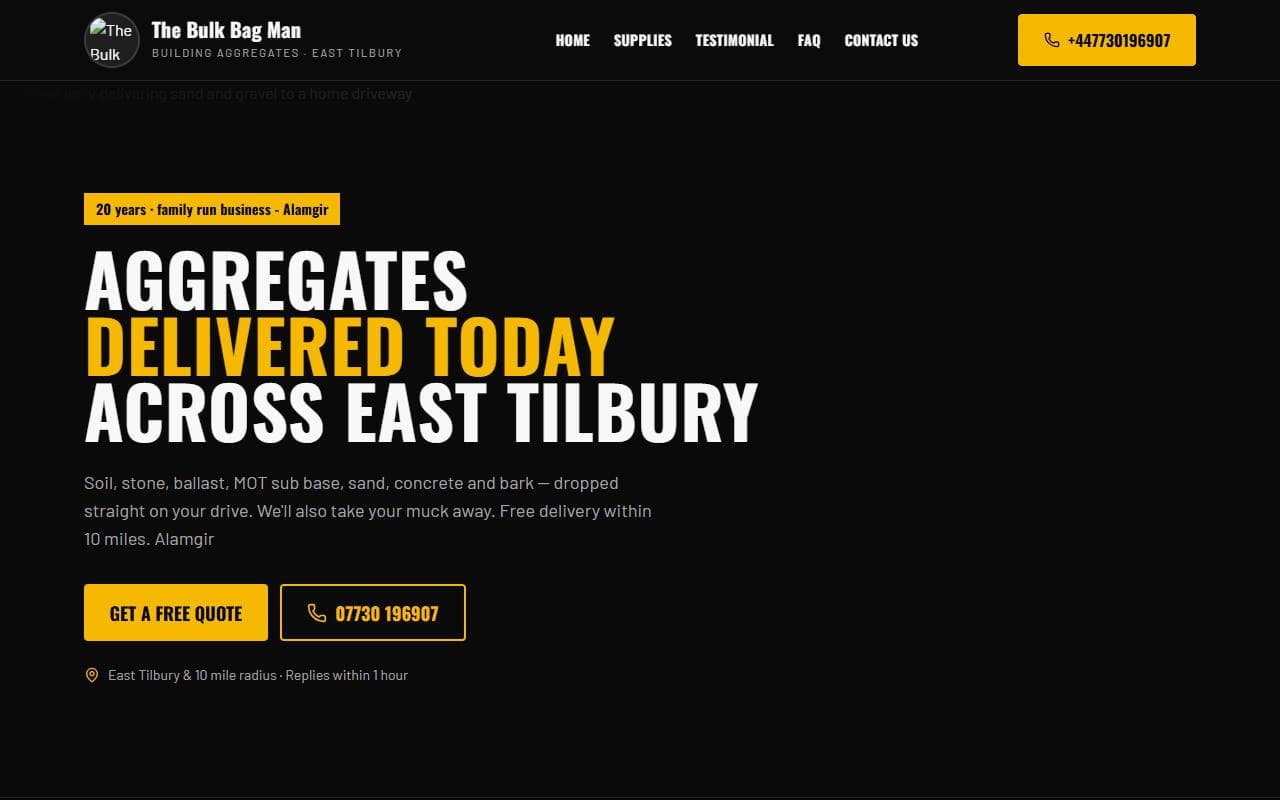
The Bulk Bag Man — the live site
Headless & Next.js · United Kingdom

The Bulk Bag Man

A custom WordPress child theme exposes ACF fields, menus and a Supplies post type through the REST API; a Next.js App Router front end renders it on Vercel. Contact form submissions are proxied through a route handler, so the browser never talks to WordPress directly.

  • WordPress child theme that exposes ACF fields, menus and a Supplies post type through the REST API
  • Next.js App Router front end deployed on Vercel
  • Contact form submissions proxied through a Next.js route handler, so the browser never calls WordPress
By what we built

Four kinds of brief, eight finished builds.

The same four kinds of work an agency sends us today. Each group lists the builds it covers, so you can go straight to the one closest to your client’s brief.

By market and by stack

Where each build was for, and what it was made with.

Two more ways to read the same eight builds: the market the client sells in, and the tools the work actually used.

The markets

The stack, counted

Every tool named in a case study, with the number of builds it appears in. The ones we offer as a service link through to it.

Nothing here is a logo wall: every count comes from a build listed on this page, and every tool is one the team uses in production.

Every build

All eight, filtered the way you work.

The full set, in one grid. Filter by the kind of build, open the live site from the card, or read the case study behind it.

The format

Anonymised at the partner's request. Verified outcomes only.

As partner projects launch, their case studies appear here in a fixed shape: the kind of agency and where it is, the brief as it arrived, the stack, what shipped, and the outcome we can prove — a Lighthouse score before and after, a checkout error rate, a migration with no lost URLs.

Never a business metric we cannot see, never a client name without the agency's written permission, and never a logo we have not earned.

Next step

Let's build your next client project — under your brand.

Send the brief and get a written scope with a fixed price within two business days. Client names can wait until the NDA is signed.